Source Cartridge Industrial Heating Element for Mask Machines, Molds, and Liquid Immersion
Find and compare 30 cartridge industrial heating element options from China. Evaluate specifications such as Ni-Cr wire, SS304 tubes, and custom voltages for mask machines, molds, and liquid immersion applications.
Key considerations
Products List




Comprehensive Sourcing Guide
Cartridge Industrial Heating Element Sourcing Guide
Sourcing cartridge industrial heating elements requires a disciplined approach to technical verification and supplier qualification, as these components serve as the critical thermal interface in diverse manufacturing environments. Buyers must navigate a market where product attributes vary significantly based on material composition, insulation density, and electrical configuration. The following guide synthesizes observed market signals and trusted industry knowledge to help procurement professionals make informed decisions without relying on unverified claims or speculative data.
The core keyword for this category encompasses tubular, spiral, and wire-based heating solutions designed for high-density thermal output. These elements are typically characterized by their ability to deliver precise heat transfer in confined spaces, making them indispensable in applications ranging from plastic injection molding to industrial packaging machinery. Understanding the distinction between standard off-the-shelf models and fully customized units is the first step in defining a successful procurement strategy.
Product Scope and Observed Listing Signals
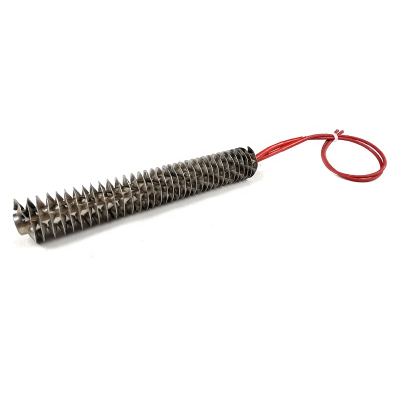
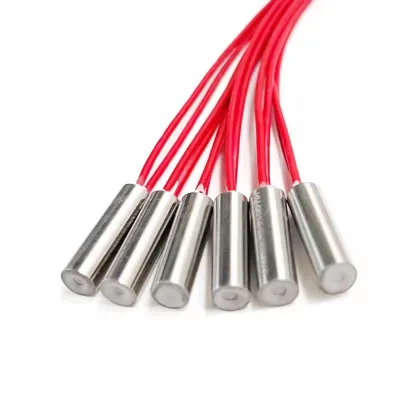
The current market landscape for cartridge heaters reveals a wide spectrum of product forms, including spiral heating elements, tubular structures, and electric coils. Observed listings indicate that manufacturers offer both standard configurations and fully customizable options, allowing buyers to tailor dimensions and electrical properties to specific machine requirements. The presence of customization availability suggests that many suppliers operate with flexible manufacturing capabilities, enabling them to produce elements that fit unique mechanical constraints or thermal profiles.
Material selection is a primary differentiator among observed products, with Nickel-Chromium (Ni-Cr) wire and Nickel-Copper (Ni-Cu) alloys being prominent choices for the heating core. The outer sheath materials also vary, with Stainless Steel 304, 316, 321, and Incoloy alloys frequently cited to ensure corrosion resistance and mechanical durability. Insulation is typically achieved using high-purity Magnesium Oxide (MGO) powder, which provides excellent electrical isolation and thermal conductivity, ensuring that heat is transferred efficiently from the resistance wire to the target application surface.
Technical Specifications to Verify
Voltage and wattage tolerance are critical parameters that must be explicitly defined in purchase orders to ensure compatibility with existing electrical infrastructure. Observed data shows that voltage can be customized, with common options including 120V, 220V, and other custom configurations, while wattage tolerance is typically maintained within a +/-10% range. Buyers should verify the power density, which ranges from 0.1-0.8 W/cm² for lower-density applications up to 25 W/cm² for high-intensity needs, to prevent overheating or insufficient heating in the target assembly.
Physical dimensions and structural details require precise measurement and documentation to ensure proper fitment within the host equipment. Key specifications to verify include the diameter, which is often observed in 8mm or 10mm increments, and the thread type, such as 3/8" NPT or BSP, which secures the element in place. The maximum working temperature is another vital specification, with some elements rated for up to 500°C, though this can be customized based on the specific thermal demands of the application, such as mask machines or liquid immersion systems.
Compliance and Safety Documentation
Certification status is a fundamental requirement for industrial heating elements, particularly when they are integrated into machinery that must meet regional safety standards. Observed listings frequently cite CE and RoHS certifications, indicating compliance with European health, safety, and environmental protection standards. Buyers should request valid certification documents to verify that the manufacturer has undergone the necessary testing procedures and that the products are legally marketable in their target regions.
In addition to product-level certifications, the manufacturing process itself should be evaluated for quality management adherence. While ISO 9001 is a common background standard in the industry, buyers should confirm whether the supplier maintains active quality management systems that ensure consistent production quality. Documentation should also include material test reports for the sheath and insulation materials, verifying that the specified stainless steel or Incoloy grades meet the required chemical and mechanical properties for the intended operating environment.
Cost Drivers and Commercial Terms
Pricing for cartridge industrial heating elements is influenced by a combination of material costs, customization complexity, and order volume. Observed price ranges in the market span from $0.5 to $40 per unit, reflecting the diversity from simple wire elements to complex, multi-sheath cartridge heaters. The minimum order quantity (MOQ) also varies significantly, ranging from 1 unit for prototyping or small-scale needs to 500 units for bulk industrial procurement, allowing buyers to align their purchasing strategy with their production volume.
Commercial terms such as warranty and after-sales support are essential components of the total cost of ownership. Most observed suppliers offer a one-year or 12-month warranty, providing a baseline level of protection against manufacturing defects. Additionally, the availability of engineer support for troubleshooting and installation guidance can reduce downtime and operational risks, making it a valuable consideration when comparing suppliers beyond just the initial unit price.
Supplier Qualification and Quality Control
Supplier location and logistical capabilities play a significant role in the procurement process, with many manufacturers based in industrial hubs such as Shenzhen, China. Buyers should assess the supplier’s ability to provide standard export packaging, which often includes plastic bags, cartons, and wooden cases to protect the fragile ceramic and metal components during transit. Proper packaging is crucial to prevent damage to the insulation and sheath, which could compromise the element’s performance and safety.
Quality control procedures should be verified through direct communication with the supplier, focusing on their in-process testing and final inspection protocols. Buyers should inquire about the supplier’s ability to provide custom models and standards as per customer requirements, ensuring that they can meet specific technical drawings or performance criteria. The availability of engineers for after-sales service is also a strong indicator of a supplier’s commitment to long-term customer support and product reliability.
Long-Term Procurement Checks
Establishing a reliable supply chain for cartridge heaters requires ongoing monitoring of product consistency and supplier performance. Buyers should implement regular quality audits or request sample testing to verify that the insulation resistance, electrical continuity, and thermal output remain within the specified tolerances over time. This is particularly important for high-volume applications where even minor deviations in power density or temperature rating can lead to significant production inefficiencies or equipment damage.
Contractual agreements should include clear clauses regarding warranty claims, replacement policies, and liability for product failures. Given the customizable nature of these elements, it is essential to maintain detailed records of all technical specifications and modifications agreed upon with the supplier. This documentation ensures that future reorders can be fulfilled accurately and provides a basis for resolving any disputes regarding product performance or compliance with agreed-upon standards.
FAQs
What certifications do these heating elements have?
These cartridge industrial heating elements typically hold CE and RoHS certifications, ensuring compliance with international safety and environmental standards. Some listings also mention ISO RoHS compliance. Buyers should verify specific documentation with suppliers to confirm that the certified units meet their local regulatory requirements for industrial machinery applications.
Can the voltage be customized for my machine?
Yes, voltage customization is available for these heating elements. While standard options like 120V or 220V are common, manufacturers offer customized voltage specifications to match specific equipment needs. This flexibility allows for precise integration into various industrial setups, including mask machines and other specialized manufacturing tools requiring tailored electrical parameters.
What materials are used in the construction?
Common materials include Ni-Cu and Ni-Cr wire for the heating element, with SS304, SS316, or Incoloy tubes for durability. Insulation is often provided by high-purity MGO powder. These materials ensure efficient heat transfer and resistance to corrosion, making them suitable for liquid immersion or mold applications in industrial environments.
What is the typical warranty period?
The standard warranty period for these cartridge industrial heating elements is one year or twelve months. This coverage typically protects against manufacturing defects and ensures product reliability. Buyers should confirm the specific warranty terms with the supplier, as after-sales service support, such as engineer availability, may vary depending on the vendor and region.
How is the product packed for shipping?
Products are typically packed in cartons, wooden cases, or standard export packages to ensure safe transit. Some specific items, like printer heating cartridges, may use plastic bags combined with cartons. This robust packaging protects the delicate heating elements from damage during international shipping, ensuring they arrive in optimal condition for immediate industrial installation.
What is the maximum working temperature?
The maximum working temperature can reach up to 500 degrees Celsius, though this is often customizable based on specific application requirements. This high-temperature capability makes these elements suitable for demanding industrial processes. Buyers should specify their exact thermal needs to ensure the selected element operates safely within its designed temperature range for longevity.